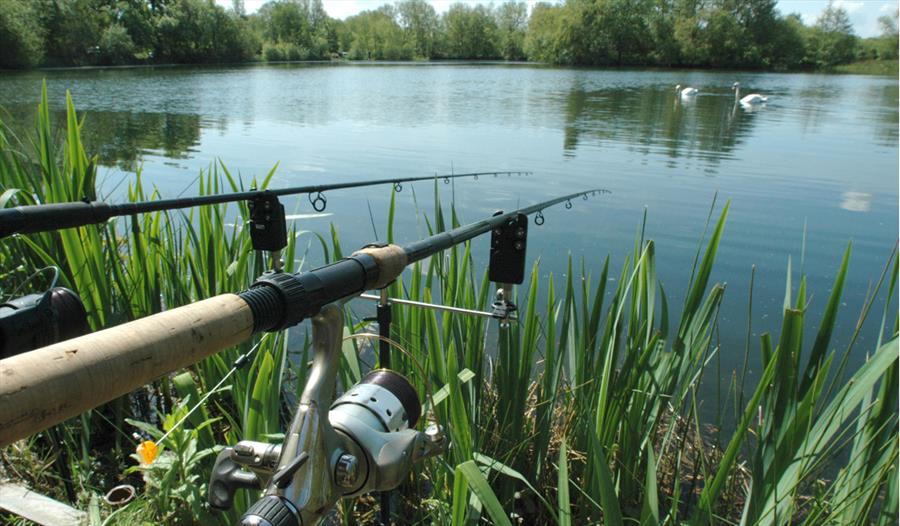
Fishing has long been an integral part of human civilization, providing food, employment, and recreation across generations. Among various fisheries worldwide, Monks Fishery has emerged as a notable establishment that combines sustainable practices with a commitment to ecological balance. This article explores the history, operations, ecological significance, and benefits of Monks Fishery, offering readers a detailed understanding of why it stands out in the fishing industry.
History and Background of Monks Fishery
Monks Fishery traces its roots back several decades when a small group of local entrepreneurs sought to create a controlled environment for fish breeding and harvesting. Unlike traditional fishing methods that heavily relied on open waters and natural catch, Monks Fishery adopted a more systematic approach. This included setting up artificial ponds, monitoring water quality, and ensuring that fish stocks were maintained at sustainable levels.
Over the years, the fishery expanded both in size and capacity, becoming a recognized name in the region for quality fish products. Its growth has been guided by principles of conservation, ethical farming, and community involvement, which have allowed it to thrive without depleting natural resources.
Types of Fish Cultivated at Monks Fishery
Monks Fishery boasts a diverse range of aquatic species, catering to both commercial demand and ecological balance. Some of the key types of fish include:
-
Carp Varieties – Common carp and mirror carp are popular due to their adaptability and taste. These species are often raised in large ponds with regulated feeding systems.
-
Trout – Known for its delicate flavor, trout requires clean, oxygen-rich water, which Monks Fishery ensures through careful monitoring.
-
Tilapia – This fast-growing fish is a staple in both local markets and exports. The fishery follows strict feeding and breeding guidelines to maintain quality.
-
Catfish – Valued for its robust texture and taste, catfish farming at Monks Fishery emphasizes disease prevention and optimal growth conditions.
The diversity of species not only enhances the fishery’s commercial appeal but also contributes to maintaining a balanced aquatic ecosystem.
Sustainable Practices at Monks Fishery
A defining characteristic of Monks Fishery is its dedication to sustainable practices. Unlike conventional fisheries that often overexploit natural water bodies, Monks Fishery implements strategies that protect the environment and promote long-term productivity. Key practices include:
-
Water Quality Management: Regular testing of pH, oxygen levels, and pollutant content ensures a healthy habitat for fish.
-
Controlled Feeding: Fish are provided with nutritionally balanced feed in regulated amounts to prevent overfeeding and reduce water contamination.
-
Breeding Programs: Selective breeding and restocking programs maintain genetic diversity and prevent population collapse.
-
Waste Management: Organic waste from ponds is recycled as fertilizer for surrounding agricultural lands, minimizing environmental impact.
These practices not only safeguard fish health but also support biodiversity and protect local water resources.
Ecological Significance of Monks Fishery
Monks Fishery serves as more than a commercial establishment; it plays a crucial role in ecological conservation. By maintaining artificial ponds and implementing sustainable practices, the fishery helps preserve aquatic habitats for various species. The presence of fish in controlled environments also encourages the proliferation of beneficial microorganisms, insects, and plants, creating a mini-ecosystem that mimics natural water bodies.
Moreover, Monks Fishery often collaborates with environmental organizations to support conservation projects. This includes initiatives to reintroduce endangered species, control invasive species, and promote community awareness about aquatic ecosystems. Such efforts have made it a model for eco-friendly fisheries worldwide.
Economic Impact of Monks Fishery
The economic contributions of Monks Fishery extend beyond fish sales. It provides employment opportunities for local communities, including positions in pond maintenance, fish breeding, processing, and logistics. The fishery also supports local suppliers by sourcing feed, equipment, and materials from nearby businesses.
Additionally, Monks Fishery has become a point of interest for eco-tourism and educational programs. Schools, universities, and environmental groups often visit the fishery to study sustainable aquaculture practices. These activities not only generate revenue but also promote environmental literacy among the younger generation.
Health Benefits of Fish from Monks Fishery
Fish are widely recognized for their nutritional value, providing essential proteins, omega-3 fatty acids, vitamins, and minerals. Fish raised at Monks Fishery are especially prized due to their controlled diet, clean environment, and absence of harmful chemicals. Regular consumption of these fish can support heart health, brain function, and overall wellness.
Additionally, the careful breeding and handling processes at Monks Fishery ensure that the fish are free from common contaminants often found in wild-caught fish. This makes them a safer choice for families and health-conscious consumers.
Challenges Faced by Monks Fishery
While Monks Fishery has achieved notable success, it is not without challenges. Some of the key issues include:
-
Disease Management: Intensive fish farming can increase susceptibility to diseases, requiring vigilant monitoring and preventive measures.
-
Climate Sensitivity: Changes in temperature, rainfall, and water availability can impact fish growth and pond conditions.
-
Market Competition: Competing with larger fisheries and imported fish products requires consistent quality and strategic marketing.
-
Regulatory Compliance: Ensuring adherence to local and national aquaculture regulations can be complex and resource-intensive.
Despite these hurdles, Monks Fishery’s commitment to innovation, sustainability, and quality has allowed it to navigate challenges effectively.
Educational and Community Initiatives
Monks Fishery has also prioritized education and community engagement. Programs include:
-
Workshops and Training: Providing practical training for aspiring fish farmers on breeding, pond management, and disease control.
-
School Visits: Hosting students for field trips that emphasize environmental stewardship and aquaculture science.
-
Community Projects: Supporting local schools, NGOs, and environmental initiatives through donations, mentorship, and collaborative projects.
These efforts strengthen the relationship between the fishery and the surrounding community, fostering a sense of shared responsibility for aquatic resources.
Technological Innovations in Monks Fishery
Technology plays a crucial role in modern aquaculture, and Monks Fishery has embraced innovation to optimize operations. Some technological measures include:
-
Automated Feeding Systems: Ensuring precise feeding schedules and reducing waste.
-
Water Monitoring Sensors: Real-time monitoring of oxygen levels, temperature, and pH to maintain optimal conditions.
-
Data Analytics: Tracking fish growth patterns and pond conditions to make informed management decisions.
-
Biosecurity Protocols: Implementing advanced filtration and disinfection techniques to prevent disease outbreaks.
By integrating technology, Monks Fishery enhances efficiency, productivity, and environmental sustainability.
Future Prospects of Monks Fishery
The future of Monks Fishery looks promising, with potential growth in both local and international markets. There is increasing demand for sustainably farmed fish, and consumers are showing preference for high-quality, eco-conscious products. Monks Fishery can capitalize on this trend through:
-
Expanding product lines to include processed and value-added fish products.
-
Increasing partnerships with restaurants, supermarkets, and online food delivery services.
-
Continuing research and development in breeding techniques, disease resistance, and environmental management.
-
Promoting eco-tourism and educational programs to enhance brand visibility and community engagement.
With continued innovation and sustainability focus, Monks Fishery is poised to remain a leading example in aquaculture.
(FAQs)
Q1: What makes Monks Fishery different from other fisheries?
A1: Monks Fishery stands out due to its commitment to sustainability, ecological conservation, diverse fish species, and community-focused initiatives. Unlike conventional fisheries, it prioritizes environmental protection and long-term productivity.
Q2: What types of fish are available at Monks Fishery?
A2: The fishery cultivates a variety of species, including carp, trout, tilapia, and catfish. Each species is raised under controlled conditions to ensure health, quality, and taste.
Q3: Is the fish from Monks Fishery safe to eat?
A3: Yes, the fish are raised in clean, monitored environments with a controlled diet, free from harmful chemicals and contaminants, making them safe and nutritious for consumption.
Q4: How does Monks Fishery contribute to environmental conservation?
A4: By implementing sustainable aquaculture practices, maintaining artificial ponds, and supporting conservation projects, Monks Fishery helps preserve aquatic ecosystems and biodiversity.
Q5: Can visitors tour Monks Fishery?
A5: Yes, the fishery offers educational tours for students, researchers, and eco-tourists. These tours provide insights into sustainable fish farming and environmental stewardship.
Q6: What challenges does Monks Fishery face?
A6: Challenges include disease management, climate sensitivity, market competition, and regulatory compliance. However, continuous innovation and sustainable practices help the fishery overcome these obstacles.
Q7: How does Monks Fishery support the local community?
A7: The fishery provides employment, sources local supplies, conducts training workshops, and engages in community projects, promoting economic growth and environmental awareness.
Conclusion
Monks Fishery exemplifies how aquaculture can be both commercially viable and environmentally responsible. Through its sustainable practices, technological integration, community initiatives, and commitment to high-quality products, the fishery not only meets consumer demand but also contributes to the preservation of aquatic ecosystems. As the world increasingly values eco-conscious practices, Monks Fishery serves as a model for fisheries aiming to balance profitability with ecological stewardship.
Whether you are a consumer seeking nutritious fish, an aspiring aquaculturist, or someone interested in environmental conservation, Monks Fishery offers valuable lessons in sustainable development and responsible resource management. Its approach highlights that economic growth and environmental protection can go hand in hand when guided by vision, expertise, and dedication.