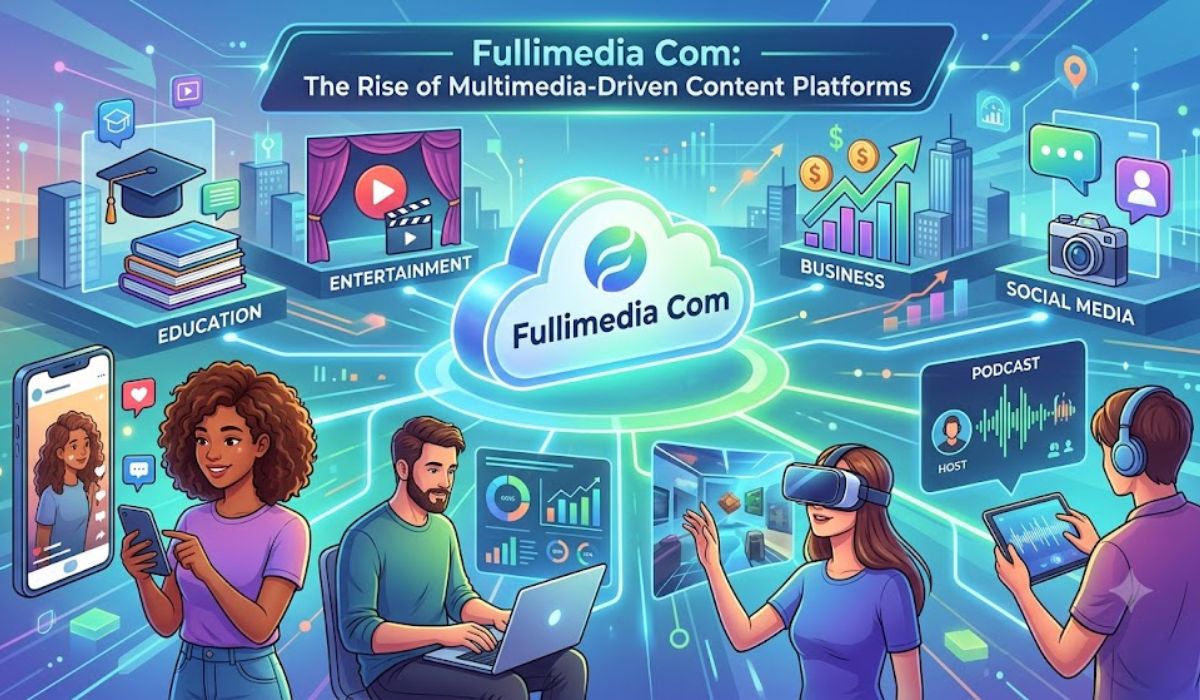
One name increasingly appearing in discussions about digital publishing and multimedia innovation is fullimedia com. The platform has gained attention because it reflects the broader movement toward integrated content ecosystems where multiple forms of media work together to create stronger engagement. Rather than focusing solely on traditional publishing, it aligns with the needs of modern creators who want flexibility and creative freedom.
The internet has evolved far beyond its early days of simple text-based websites and static pages. Modern audiences expect immersive experiences that combine visuals, audio, video, interactive elements, and intelligent personalization. As user expectations continue to grow, content creators and businesses are searching for platforms that can meet these changing demands while remaining efficient and scalable.
As competition for online visibility intensifies, platforms that support multimedia storytelling are becoming more valuable. They help businesses improve audience retention, enhance user experiences, and create content strategies that resonate across different channels. This shift represents a major transformation in how information is produced, distributed, and consumed.
Understanding the Concept Behind Fullimedia Com
At its core, fullimedia com represents a multimedia-focused approach to digital communication. Instead of limiting content to articles or blog posts, the concept embraces a combination of formats that appeal to diverse audience preferences. This makes it easier for users to consume information in ways that match their habits and interests.
Digital audiences are no longer satisfied with lengthy text alone. Many prefer visual demonstrations, interactive experiences, short videos, infographics, and multimedia presentations. Platforms that support these content formats provide greater opportunities for creators to connect with viewers and readers on a deeper level.
The growing popularity of multimedia platforms demonstrates a clear market demand. Users spend more time engaging with dynamic content because it often feels more accessible and informative. As a result, creators are increasingly prioritizing multimedia integration within their overall content strategies.
The Evolution of Online Storytelling
Storytelling has always been a powerful communication tool. In the digital era, however, the methods used to tell stories have expanded dramatically. Instead of relying on words alone, creators now incorporate visuals, animations, audio clips, and interactive features to deliver richer experiences.
This evolution has transformed how audiences interact with information. A compelling story can now unfold through multiple formats simultaneously, allowing users to engage with content in a more personalized way. Interactive storytelling also encourages participation rather than passive consumption.
Platforms associated with multimedia publishing have benefited from this shift because they provide tools that simplify content creation and distribution. The ability to combine several media types within a single experience gives storytellers more creative possibilities while helping audiences remain engaged for longer periods.
Why Multimedia Content Matters More Than Ever
Multimedia content has become a critical component of modern digital marketing and communication. Studies consistently show that users are more likely to engage with content that includes images, videos, graphics, and interactive elements compared to plain text pages.
Visual content helps simplify complex information and improves understanding. When audiences can see concepts represented visually, they often retain information more effectively. This advantage is particularly important in educational, marketing, and professional environments.
Another significant benefit is increased user engagement. Multimedia experiences encourage visitors to spend more time exploring content. Longer engagement often leads to improved audience loyalty, stronger brand recognition, and better overall digital performance.
The Role of Artificial Intelligence in Content Creation
Artificial intelligence has become one of the most influential technologies shaping the digital content landscape. AI-powered tools assist creators by automating repetitive tasks, generating ideas, analyzing audience behavior, and improving workflow efficiency.
Modern platforms increasingly integrate AI features to help users optimize their content strategies. These capabilities can include content recommendations, automated editing assistance, personalization tools, and advanced analytics. Such innovations allow creators to focus more on creativity while reducing technical barriers.
As AI technology continues to advance, multimedia platforms are likely to become even more intelligent and adaptive. This trend is expected to improve user experiences while making content production faster, more efficient, and more accessible to individuals and organizations alike.
User Experience and Audience Engagement
User experience plays a central role in determining whether visitors remain on a website or leave shortly after arriving. Modern audiences value platforms that offer intuitive navigation, visually appealing layouts, and engaging content experiences.
Multimedia-focused environments often excel in this area because they provide multiple pathways for information consumption. Some users prefer reading, while others may favor videos, podcasts, or visual summaries. Offering these options increases accessibility and satisfaction.
When audiences enjoy their experiences, they are more likely to return and recommend the platform to others. This positive cycle helps build trust, strengthen brand reputation, and support long-term audience growth in competitive digital markets.
Content Creation Opportunities for Businesses
Businesses are constantly searching for effective ways to connect with customers and communicate their value propositions. Multimedia platforms provide numerous opportunities to achieve these goals through engaging and informative content.
Companies can use multimedia strategies to showcase products, explain services, share customer success stories, and demonstrate expertise within their industries. Interactive content often creates stronger emotional connections than traditional advertising approaches.
The flexibility offered by multimedia publishing allows businesses to adapt their messaging for different audience segments. This adaptability is increasingly important in an environment where consumer expectations and digital trends continue to evolve rapidly.
The Future Potential of Fullimedia Com
The increasing interest in fullimedia com reflects larger industry trends that emphasize integrated digital experiences. As audiences continue demanding more engaging and personalized content, platforms that support multimedia innovation are likely to remain highly relevant.
Emerging technologies such as augmented reality, virtual reality, machine learning, and advanced personalization systems may further expand the possibilities available to creators. These developments could redefine how digital stories are crafted and experienced.
The future of content creation appears increasingly connected to multimedia ecosystems that blend creativity, technology, and audience engagement. Platforms embracing these principles are well-positioned to contribute to the next phase of digital communication and online publishing.
Conclusion
The digital landscape has undergone remarkable transformation over the past decade. Static webpages have given way to dynamic multimedia experiences that combine text, visuals, video, audio, and intelligent technologies to engage audiences more effectively than ever before.
As interest in fullimedia com continues to grow, it highlights the broader movement toward integrated content platforms designed for modern creators and businesses. These environments support innovation, improve engagement, and provide new opportunities for storytelling across multiple formats.
Organizations and individuals that embrace multimedia publishing strategies are likely to gain a competitive advantage in the years ahead. By focusing on user experience, technological innovation, and high-quality content creation, they can build stronger digital presences and achieve sustainable long-term growth.