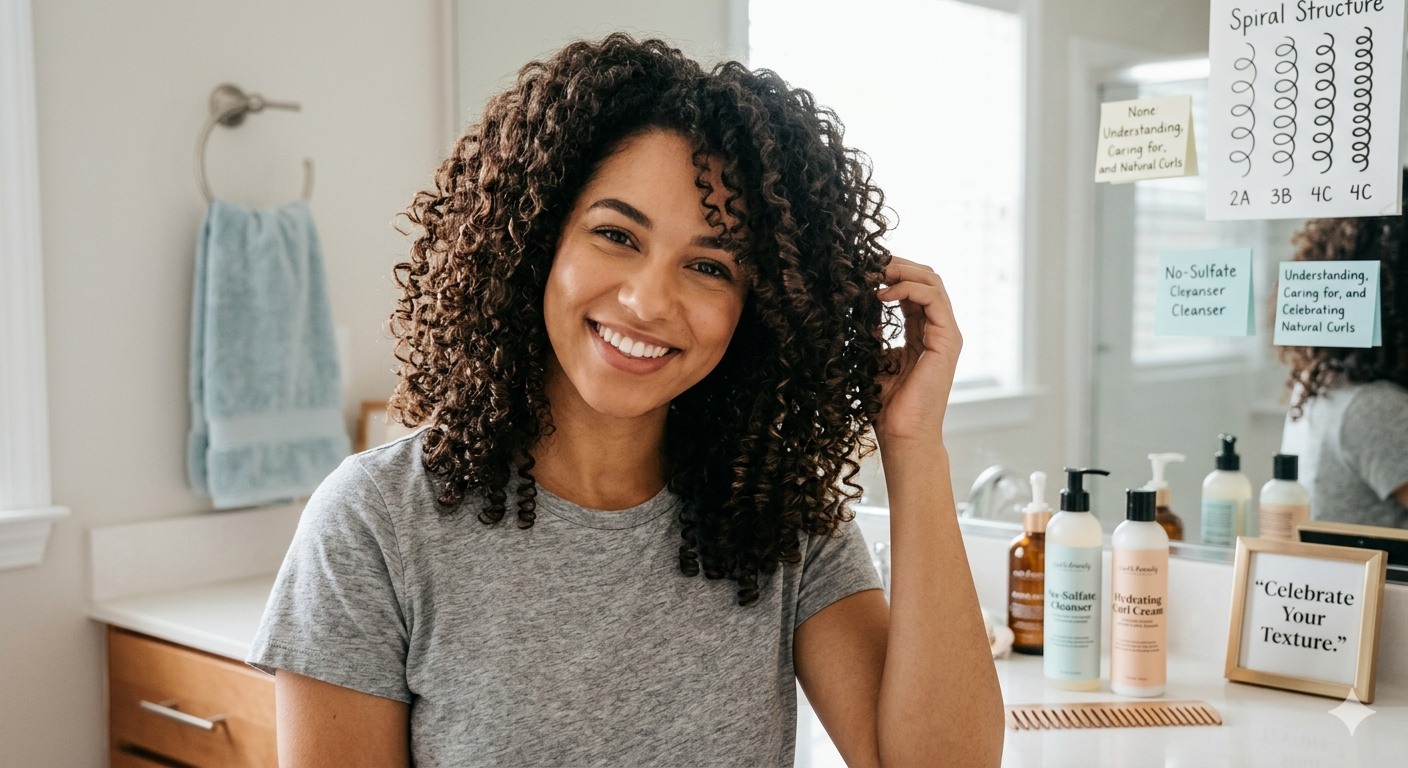
Curly hair has long been admired for its beauty, volume, and personality. When hair is curly, it naturally forms spirals, waves, or coils that create a unique and eye-catching appearance. Unlike straight hair, curly hair tends to have more texture and bounce, which can make it both stunning and sometimes challenging to manage. People with curly hair often experience a mix of pride and curiosity about how to properly care for their natural curls.
Understanding curly hair is the first step toward maintaining healthy, defined curls. From learning about its structure to discovering the best care routines, embracing natural curls can transform hair care into a rewarding experience. This guide explores everything you need to know when hair is curly, including causes, types, care tips, and styling advice.
What It Means When Hair Is Curly
When hair is curly, the strands grow in curved or spiral shapes rather than straight lines. This happens because of the shape of the hair follicle beneath the scalp. Hair follicles that are oval or asymmetrical tend to produce curly strands, while round follicles usually produce straight hair.
Curly hair can range from loose waves to tight coils. Each curl pattern is different, and even individuals with naturally curly hair may have multiple curl types on their heads. Because curls bend and twist, natural oils from the scalp have a harder time traveling down the hair shaft. As a result, curly hair often appears drier than straight hair and needs extra moisture.
Despite these challenges, curly hair offers incredible versatility and volume that many people love and celebrate.
The Science Behind Curly Hair
The shape and structure of hair are influenced by genetics and the internal bonds within the hair strand. Keratin, the protein that makes up hair, forms bonds that determine whether the hair grows straight or curly.
When hair is curly, the distribution of keratin and the pattern of disulfide bonds create bends and curves in the strand. These structural differences cause the hair to twist as it grows. The result is the natural curl pattern that defines curly hair.
Environmental factors such as humidity can also affect curls. Moisture in the air can change the shape of the hair temporarily, often making curls appear fuller or frizzier.
Different Types of Curly Hair
Curly hair is not the same for everyone. Hair texture specialists often classify curls into several categories to help people understand their natural pattern and care for it effectively.
Wavy Hair
Wavy hair forms gentle S-shaped patterns. It is often considered the lightest form of curls and may appear almost straight when brushed.
Loose Curls
Loose curls create soft spirals that are more defined than waves. This type of hair usually has noticeable bounce and movement.
Tight Curls
Tight curls form springy ringlets that are clearly visible and structured. They tend to hold styles well but may require additional moisture.
Coily Hair
Coily hair features tight, dense curls or zigzag patterns. This type of hair is often very delicate and benefits from deep conditioning and protective styling.
Understanding your curl type can help you select the right products and techniques for maintaining healthy curls.
Why Curly Hair Needs Special Care
When hair is curly, its structure naturally makes it more fragile than straight hair. The bends in the strands create weak points where breakage can occur. Additionally, because natural oils have difficulty traveling down the curved strands, curly hair tends to be drier.
Proper care is essential to maintain strength, shine, and definition. Without the right routine, curls may become frizzy, tangled, or dull. By focusing on moisture, gentle handling, and appropriate styling methods, curly hair can remain healthy and vibrant.
Essential Hair Care Tips for Curly Hair
Caring for curly hair requires consistency and attention to detail. The following tips can help maintain strong and beautiful curls.
Use Moisturizing Shampoo
Curly hair benefits from shampoos that gently cleanse without stripping natural oils. Sulfate-free formulas are often recommended because they maintain moisture levels.
Condition Regularly
Conditioner plays a vital role in keeping curls hydrated. Deep conditioning treatments can restore softness and improve curl definition.
Avoid Excessive Heat
Frequent use of heat styling tools can damage curly hair. Air drying or using a diffuser on low heat helps preserve the natural curl pattern.
Detangle Carefully
Curly hair can easily become tangled. Detangling with a wide-tooth comb or fingers while the hair is damp and conditioned helps reduce breakage.
Apply Leave-In Products
Leave-in conditioners and curl creams help lock in moisture and enhance the shape of curls throughout the day.
The Importance of Hydration for Curly Hair
Moisture is one of the most critical elements of curly hair care. Because curly strands naturally lose moisture more easily, hydration must be maintained through proper products and routines.
Drinking enough water and using hydrating hair products can make a noticeable difference. Ingredients such as natural oils, shea butter, and aloe vera are commonly used in curly hair care to improve moisture retention.
Regular deep conditioning treatments also help replenish hydration and strengthen the hair structure.
Styling Techniques That Enhance Natural Curls
When hair is curly, styling techniques can significantly affect the final appearance. The right methods can enhance curl definition while reducing frizz.
Scrunching
Scrunching involves gently squeezing the hair upward with styling products to encourage curl formation.
Plopping
Plopping uses a soft cloth or T-shirt to wrap damp hair and enhance curl shape while drying.
Diffusing
A diffuser attachment on a hair dryer spreads airflow evenly and prevents curls from being disrupted.
Protective Styling
Styles such as braids, twists, or buns protect curls from damage and maintain moisture.
These techniques allow individuals to highlight their natural curl pattern while keeping hair healthy.
Common Challenges for Curly Hair
Although curly hair is beautiful, it may come with some common challenges. Understanding these issues can make them easier to manage.
Frizz
Frizz occurs when hair lacks moisture or when humidity affects the curl structure. Using hydrating products can reduce frizz.
Tangling
Curly hair strands intertwine easily. Gentle detangling and regular conditioning can help prevent knots.
Dryness
Curly hair often requires more hydration than other hair types. Consistent moisturizing routines can address dryness effectively.
Uneven Curl Patterns
Some people notice different curl patterns in various sections of their hair. Using consistent styling methods can help balance the appearance.
Embracing Natural Curly Hair
In recent years, there has been a growing movement encouraging people to embrace their natural hair texture. When hair is curly, it represents individuality and cultural identity for many individuals around the world.
Instead of trying to permanently straighten or alter their hair, many people now focus on enhancing and celebrating their curls. This shift has led to increased awareness about proper curly hair care and a wider variety of products designed specifically for curls.
Learning to appreciate natural curls can boost confidence and simplify hair care routines.
Healthy Lifestyle Habits for Better Curls
Hair health is closely connected to overall health. Maintaining good lifestyle habits can improve the strength and appearance of curly hair.
A balanced diet rich in vitamins and minerals supports healthy hair growth. Nutrients such as biotin, vitamin E, and omega fatty acids are particularly beneficial.
Adequate sleep and stress management also play a role in hair health. Stress can affect the hair growth cycle, while proper rest allows the body to repair and maintain healthy cells.
Regular exercise promotes blood circulation, which helps deliver nutrients to the hair follicles.
Choosing the Right Hair Products for Curly Hair
Selecting the right products can make a significant difference when hair is curly. Look for products specifically designed to enhance curls and provide moisture.
Curl creams, leave-in conditioners, and lightweight gels are commonly used to define curls without weighing them down. Natural oils such as coconut oil or argan oil can add shine and softness.
Avoid products that contain heavy alcohols or harsh chemicals, as they can dry out curly hair and lead to breakage.
The Confidence of Wearing Natural Curls
Curly hair is more than just a hairstyle; it reflects personality and individuality. People who embrace their natural curls often discover a renewed sense of confidence and self-expression.
From soft waves to tight coils, every curl pattern is unique. Celebrating these natural differences allows individuals to appreciate the beauty of diversity and authenticity.
By understanding how to properly care for curly hair, anyone can maintain healthy, vibrant curls that highlight their natural beauty.
(FAQs)
Why is my hair curly instead of straight?
Hair becomes curly because of the shape of the hair follicle and the arrangement of proteins within the hair strand. Curved follicles create curls, while round follicles produce straight hair.
Can curly hair become straight naturally?
Hair texture is mostly determined by genetics. While styling methods can temporarily straighten curls, the natural pattern usually returns after washing.
How often should curly hair be washed?
Curly hair typically benefits from less frequent washing, often two to three times per week, to preserve natural moisture.
What is the best way to reduce frizz in curly hair?
Using hydrating conditioners, applying leave-in products, and avoiding excessive heat can help reduce frizz and maintain smooth curls.
Is curly hair more fragile than straight hair?
Yes, curly hair tends to be more delicate because the bends in the strands create weak points where breakage can occur.
Can curly hair grow long?
Curly hair can grow just as long as straight hair. Proper care, hydration, and gentle handling support healthy growth.
Curly hair is a natural feature that combines beauty, texture, and personality. When hair is curly, it offers endless styling possibilities and a distinctive look that stands out. With the right care routine, moisturizing products, and styling techniques, anyone with curly hair can maintain healthy, vibrant curls that reflect their natural charm. Embracing curls not only enhances hair health but also celebrates individuality and confidence.